November 11, 2025
On the evening of October 19, 2025, Professor Dominique Moisl from the Department of Social Work at Fulda University of Applied Sciences, Germany, delivered a special lecture titled "Social Space Orientation: The Core Principle of Social Work in Germany" in Classrooms 913-915, Annex to Hongyi Building, East Campus. The lecture was translated by Associate Professor Liu Weihua from the Department of Sociology of our college, and was attended by 16 students from Fulda University of Applied Sciences, Germany, as well as more than 100 postgraduates and undergraduates majoring in Social Work from our college. Professor Dominique Moisl's research interests include social economy, social management, social research methods and evaluation.
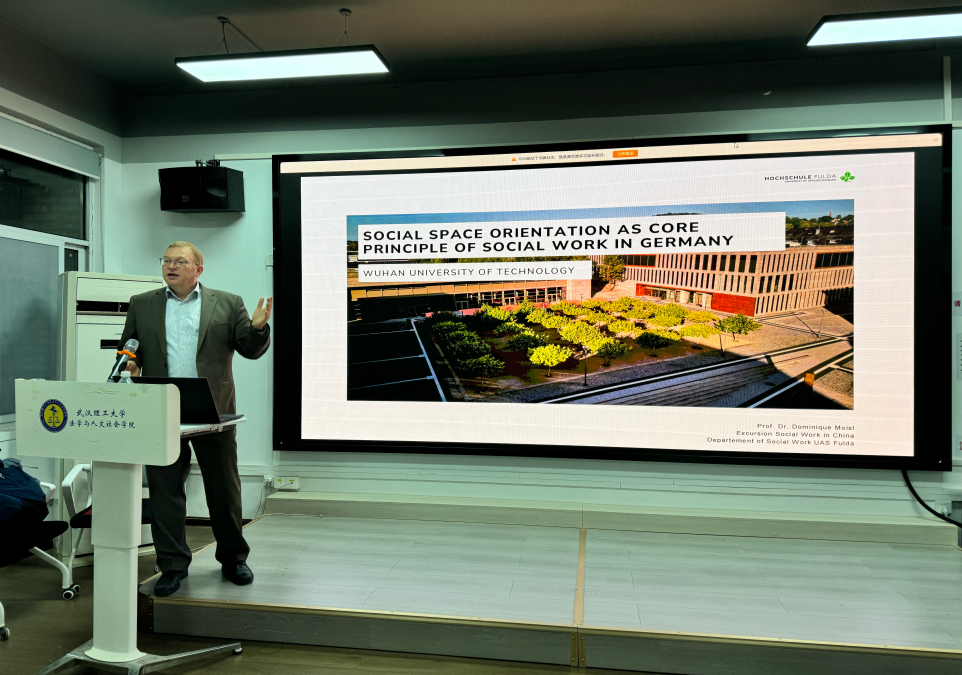
Figure 1 — Professor Dominique Introducing Himself
At the beginning of the lecture, Professor Dominique Moisl pointed out that in Germany, social space orientation is the working principle and action theory of social work, providing scientific and theoretical guidance for social work. Unlike traditional classic theories that only describe what the world is like, leaving the application of the theory to the users themselves; social work requires better action guidance. As a working principle, social space orientation includes: focusing not only on people but also on living spaces; adopting a perspective that supports clients to use and influence their living spaces; and basing the organizational principle of social work on directing social work management towards social spaces.
Social space orientation integrates different social welfare fields (such as poverty, health, education, parenting, etc.), different levels of welfare solutions (such as community politics, hierarchical management, social work experts), different working levels and methods (such as case work, group work, community work), different intervention goals (such as social integration, financial effectiveness, learning organizations, etc.), and different social work theories.
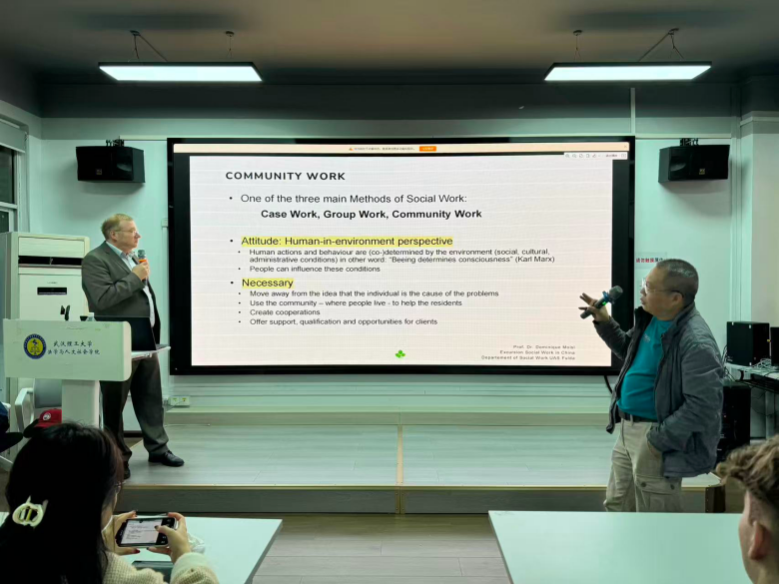
Figure 2 — Professor Dominique Giving a Lecture in English with Real-Time Translation by Associate Professor Liu Weihua
The lecture systematically sorted out the six theoretical foundations of social space orientation: community work, life-world orientation, organizational development, new public management, social capital, and empowerment theory. Professor Dominique Moisl introduced Jane Addams, a classic figure in community work, and explained the philosophical ideas of community work — the person-in-environment perspective, the notion that existence determines consciousness, the belief that people can influence the environment, as well as the principles of conducting community work. He pointed out that social work should focus on people's daily lives; people need to cope with the challenges of daily life, which provides a connection point between social workers and clients. Social work organizations should adapt to changes in politics, law, technology, economy, demographics, etc. New public management advocates transforming the functional organizational structure of social welfare institutions into a regional structure, where various services are available in one area, enabling people to easily access relevant services when needed, and ensuring coordination among various services to meet diverse needs. He also introduced sociologist Pierre Bourdieu's theory of capital types, noting that social work clients lack sufficient amounts of three types of capital, and social workers can help service recipients develop these three types of capital based on social space. Based on empowerment theory, social work should shift from a deficit-oriented approach to a resource-oriented one, from individual support to empowerment within groups, and from counseling in dyadic relationships to the enhancement of social networks.
Finally, Professor Dominique Moisl summarized the five core principles of the social space orientation in detail: focusing on the interests expressed by residents, supporting the self-help actions and personal initiative of service recipients, utilizing resources within the social space, adopting a cross-target group and cross-department orientation, and coordinating and integrating social services as well as promoting cooperation and coordination in social services. In short, the social space orientation focuses on people in the social environment and the accessible resources.
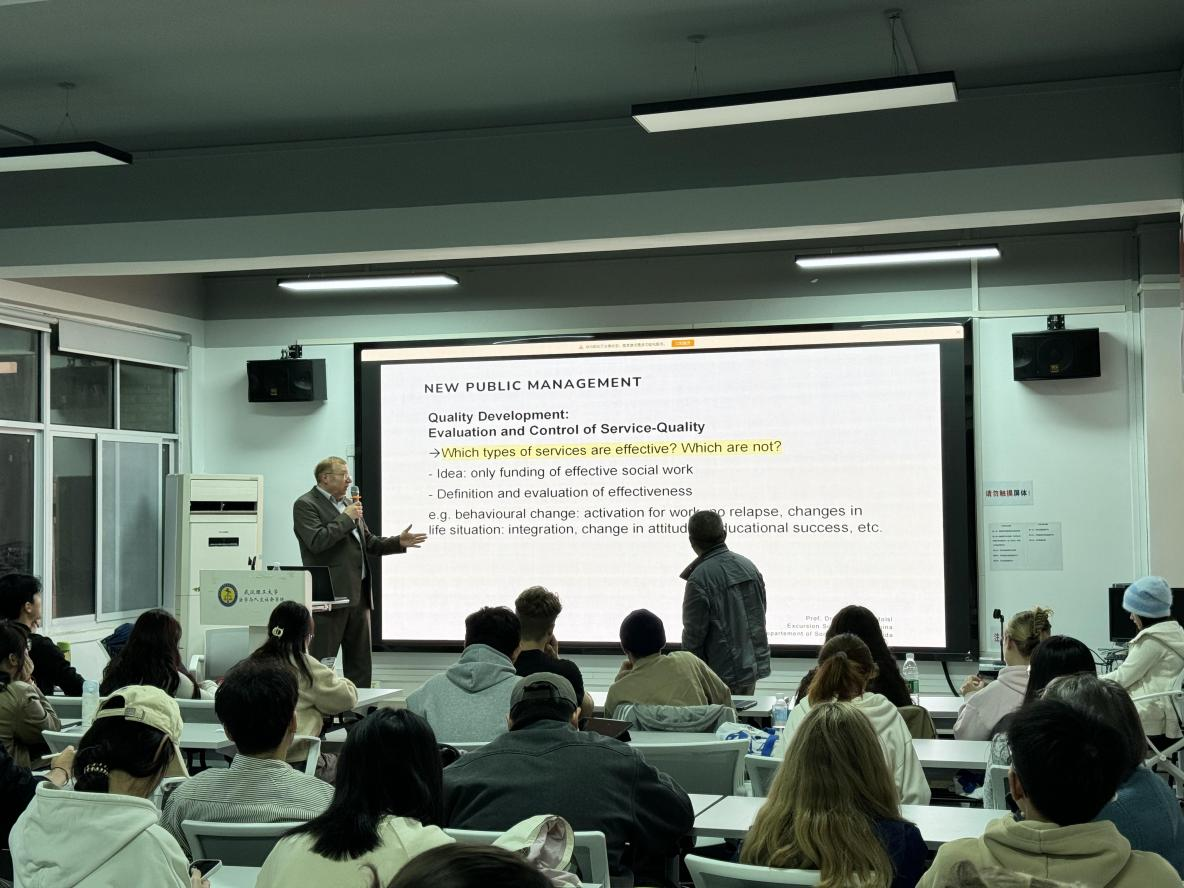
Figure 3 — Chinese and German Students Listening Attentively
In the Q&A session, teachers and students had a heated discussion on topics such as the applicability of social space orientation in the Chinese context and the exploration and utilization of community resources.
This lecture systematically presented the cutting-edge concepts and practical wisdom in the field of German social work, reflecting the characteristics of theoretical perspectives in German social work and aligning with the development trend of the international social work discipline. Through this professional dialogue, Chinese and German teachers and students conducted in-depth exchanges on social work theories and practices, laying a solid foundation for future exchanges and cooperation in more fields.
Correspondent: Ai Runhan
Editors: Liu Weihua, Yu Yanping
Reviewer: Bu Qingping
School of Law,Humanities and Sociology, Wuhan University of Technology
Address: No. 165, Luoshi Road, Mafangshan Campus, Wuhan University of Technology East Courtyard 4 Teaching building
Copyright © 2024 School of Law, Wuhan University of Technology, All Rights Reserved


